
Surgical:
clinic@mrbeigi.com
Non-surgical: clinic@norwichcosmeticclinic.com
tel:
01603324545
Surgical: clinic@mrbeigi.com
Non-surgical: clinic@norwichcosmeticclinic.com
tel: 01603324545
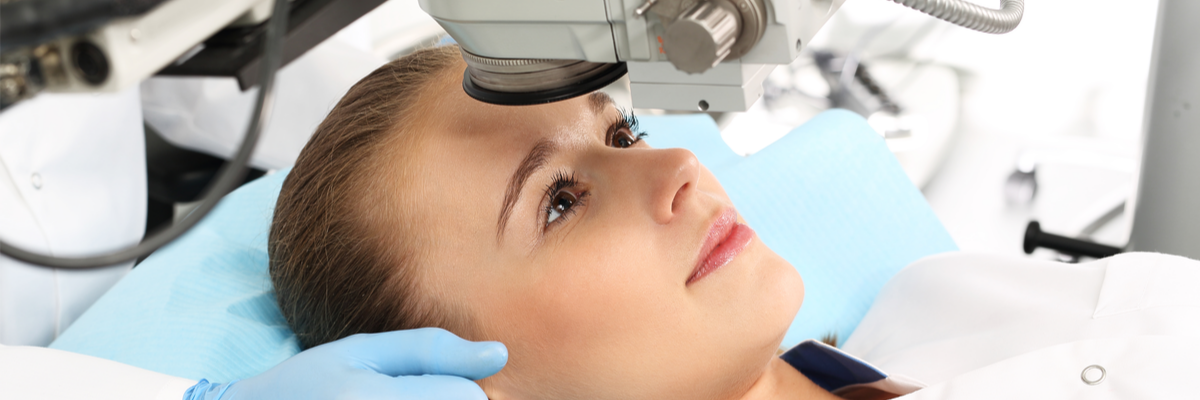
Strabismus is any misalignment of the eyes.
There are many different types of strabismus:
Strabismus is most commonly described by the direction of the eye misalignment; common types of strabismus are:
• Horizontal Squint
• Eyes turned in (convergent strabismus or esotropia)
• Eye turned out (divergent strabismus orexotropia)
• One eye lower than the other one or hypotropia
• One eye is higher than the other one or hypertropia
Strabismus can also be described by its cause. Cranial nerves III, IV, VI are responsible for eye movement and can become weak or damaged and cause strabismus. Such as sixth nerve palsy when the eye cannot move away from nose and looks crossed.
An abnormality of action of the extra ocular muscles, that move the eyes in different directions, causes misalignment of the eye and in some double vision. This can include malfunction of centres of control of eye movement in brain and also unidentified causes. Less commonly, a problem with the actual eye muscle causes strabismus.
Eye misalignment can cause poor vision in children called amblyopia. The deviated eye cannot develop normal vision because the eyes are oriented in different directions, the brain receives 2 different visual images. The brain may ignore the image from the misaligned eye to avoid double vision, resulting in poor vision.
Congenital strabismus can occurs in children who are otherwise completely normal. There is a higher prevalence among children with cerebral palsy, Down syndrome, hydrocephalus and Brain disorders.
Cranial nerve palsies such as 3rd, 4th and 6th nerve weakness results in strabismus. Stroke is the leading cause of strabismus in adults. Trauma, neurological problems, and thyroid eye disorders are other common causes of strabismus.
Misaligned eye can result in double vision. The vision is assessed and if any other eye problems exist they will be treated such as giving spectacles, patch occlusion of the weak eye to improve vision in the lazy, etc. In some children who are long sighted glasses can control the condition. Prism integration into glasses can improve the double vision in some and avoid surgery mostly in adults. The ultimate treatment is by alignment of the eyes. But in most children and adults there is a need for strabismus surgery. The weak muscle is shortened and the over acting eye muscle is weakened by being released to certain degree by an operation.
Website by CRC
© Copyright 2021 | NCC Healthcare | All Rights Reserved.
Registered office England and Wales:
Company no: 06930876